Concrete Borders vs. Other Landscaping Edging Options in Flowery Branch, GA: Which Is Best?
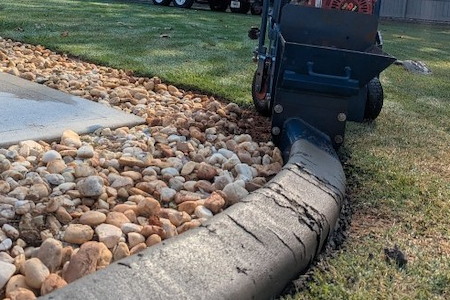
If your beds spill onto the lawn after every rain or your mulch creeps into the grass, it may be time for a better edge. Many Flowery Branch homeowners compare concrete borders with metal, plastic, brick or stone, rubber, and simple trench edging. This guide breaks down how each option performs in North Georgia’s clay soils, summer heat, and pop-up storms, and when concrete borders make the most sense for your yard.
what flowery branch yards really need from edging
Our area sees hot, humid summers, red clay that compacts easily, and sudden downpours rolling off Lake Lanier. Beds topped with pine straw or hardwood mulch can wash or drift onto turf. Bermuda and zoysia lawns spread fast and love to creep into planting beds. Effective edging for Hall County should:
- hold mulch or gravel in place during heavy rain
- block aggressive grass runners and reduce weekly string trimming
- flex or curve with natural bed lines without shifting over time
- add curb appeal that complements brick, siding, or stone common in local neighborhoods like Sterling on the Lake and downtown Flowery Branch
why concrete borders shine in flowery branch
Concrete borders are poured in a continuous ribbon that follows your beds, walkways, and trees. That seamless shape creates a strong barrier against grass and a tidy shelf that keeps mulch where it belongs. You can choose smooth, colored, or textured looks that match North Georgia homes without the busy seams of loose brick.
Homeowners also like the clean mowing edge. Instead of edging with a string trimmer each weekend, you can guide the mower wheel along the curb and get a crisp line in fewer passes. Concrete won’t rot like timber and won’t bow like thin plastic after a storm. With normal care and occasional rinsing, it stays sharp through the seasons.
concrete vs. other edging options
metal edging (steel or aluminum)
Metal delivers a minimalist, modern line and can curve nicely around beds. It is thin, so it slices between lawn and mulch very cleanly. However, it often relies on stakes to stay put and can lift or lean where soil swells or where mower tires ride the edge repeatedly. In shady or wet spots, uncoated steel can show surface rust. If you like a sleek look and don’t mind occasional re-staking, metal can work, but it rarely stops aggressive turf as reliably as a solid curb.
plastic edging (rolled or interlocking)
Plastic is easy to find and seems budget friendly at first. The challenge is durability. Sun, heat, and foot traffic can cause warping, and joints separate on curves. In our summer downpours, light edging can pop out, letting mulch wash. Plastic also struggles to hold a straight line along driveways and sidewalks. Most homeowners eventually replace it with a sturdier option.
brick or stone borders
Brick and stone look classic and pair well with many homes. You can lay them flat for a subtle edge or stand them on angle for a sawtooth detail. Their weight helps them stay put, yet they still have joints. Weeds and grass sneak through gaps, and frost or heavy rain can shift individual pieces. If you love the look, set expectations for spot resets and seasonal gap filling to keep lines tight.
rubber edging
Rubber, often made from recycled materials, is flexible and safer around playgrounds. It bends easily for curves and can soften impacts near play areas. The trade-off is shape memory and long-term rigidity. In full sun or on slopes, it can wave or wander, and taller garden profiles are limited. It’s a niche choice rather than a front-yard curb appeal upgrade.
natural trench edging
Some homeowners cut a shallow v-shaped trench between grass and beds. It looks crisp on day one, but soil erodes, mulch spills, and edges blur without frequent touch-ups. In Flowery Branch clay, trenches can collapse after storms, which means more maintenance than most busy families want.
design possibilities with concrete borders
Concrete borders don’t have to be plain. Color integrals and light texturing can echo your front walk, driveway, or brick accents. Curves soften corners and frame specimen trees. Straight runs can align with hardscape for a modern look. If you’re freshening beds at the same time, consider how edge height helps contain pine straw or gravel so it stays tidy after summer showers. For more bed-finishing ideas, see our quick guide to choosing mulch in which type of mulch is best for your landscape.
maintenance reality check
Every edge needs care, just not the same kind. Plastic needs re-staking. Metal can need repositioning and touch-up where the finish wears. Brick invites weeding along joints. Rubber may need re-shaping after heat. Concrete requires minimal maintenance: occasional rinsing and keeping heavy equipment off the edge while it cures. If you pressure wash the driveway or walk in spring, a light rinse of the border restores that just-installed look.
Important: always have underground utilities located by a professional before any edging installation begins, and protect irrigation lines along bed edges during work.
how to choose the best edging for your home
Think about how you use the space, the style of your home, and the effort you want to invest each season. Here is a simple way to match needs to materials:
- You want strong curb appeal, a solid mowing edge, and fewer trims: choose concrete borders
- You want a minimalist line for a contemporary design and accept occasional re-staking: consider metal
- You want a classic, hand-laid look and don’t mind periodic resets: brick or stone can fit
- You want a soft, flexible edge near play areas: rubber makes sense in select zones
- You enjoy weekly touch-ups and prefer a natural look: trench edging can work short-term
local factors that tip the decision
Flowery Branch sits in a transition zone where turf grows vigorously from April through October. That means edges must manage fast-spreading runners and frequent mowing. Our clay-heavy soils expand after storms and shrink during dry spells, which can nudge lighter edging out of alignment. On sloped lots common near Lake Lanier, gravity adds another force that pushes mulch and rock downhill. A continuous concrete border resists these movements and gives you a reliable barrier against creep and washout.
Finish color also matters in North Georgia sun. Mid-tone grays and earth tints tend to hide pollen and dust better than bright whites. Textured finishes diffuse glare along driveways and walkways. If you have darker mulch, a slightly lighter curb line helps the beds pop without looking stark.
installation timing and care
Most homeowners schedule edging when beds are being refreshed or new plantings go in. Spring and fall make it easy to coordinate with other landscape updates, but concrete borders can be installed through much of the year when weather cooperates. The surface needs a short cure period before heavy use. After that, treat it like any other hard surface. Keep mower wheels on the turf side and sweep or rinse debris occasionally. A neat, defined edge makes weekly yard work faster and prevents mulch from migrating onto sidewalks after storms.
Pro tip: complete your border and mulch on the same project day. You get an instant before-and-after reveal and less cleanup as the season goes on.
common homeowner questions
Will concrete crack? All concrete can develop hairline lines over time, yet a continuous border with proper base prep, expansion control, and drainage holds its shape well. Minor lines rarely affect performance or appearance from street view.
Does it work with pine straw? Yes. A slightly taller profile helps keep straw tucked in place and off the sidewalk, even after windy days. It also reduces how often you have to rake the edges back into the bed.
What about curves and trees? Concrete is shaped on site, so it follows sweeping curves and circles without awkward joints. That means fewer gaps for weeds and a smoother look around trunks and walkways.
put it all together
If you want a lawn that looks crisp on Monday and still clean after a Saturday storm, concrete is the most reliable way to frame your landscape. It cuts maintenance, blocks turf creep, and adds a finished look that boosts curb appeal on any street in Flowery Branch. See how a seamless curb could work around your beds and along the driveway in our concrete borders service overview.
Ready to talk through your options with a local expert at MS General Services LLC? Start at our home base for concrete borders in Flowery Branch, GA, or call us at 678-481-1908 to schedule a friendly on-site look. We’ll help you choose the edge that matches your style, stands up to our weather, and makes weekly yard work easier.
Bottom line: concrete borders deliver the best balance of strength, style, and low upkeep for North Georgia yards. When you’re ready to upgrade the edges that everyone can see from the street, our team is here to help. Call now for concrete borders in Flowery Branch.
Contact Us for a Healthier, Greener Lawn Book Our Lawn Care Services In Flowery Branch & Surrounding Areas! Today!